What Is An ADU?
What is an ADU? An ADU, or accessory dwelling unit is more than just extra living space. Read on to learn more about ADUs and how they can benefit you.
Accessory dwelling units (ADUs) have gained significant traction as a popular housing solution in recent years. An ADU is a self-contained living space built on the same property as a primary residence. ADUs have many different names, such as granny flats, mother-in-law suites, in-law suites, accessory apartments, ancillary units, multigenerational homes, or secondary dwelling units. The purpose of this blog post is to explore the benefits, types, regulations, construction, financing, and other considerations around adding an ADU to your property.
The Benefits of ADUs
There are many benefits to adding an ADU to your property. Some of the top reasons include:
- Family/Senior Living: ADUs are ideal for multigenerational living, giving parents, children, or elderly relatives a private space while still being close to family.
- Increase Property Value: Adding an ADU can significantly increase your property value. One study found that ADUs can boost property values by up to 30%.
- Rental Income: The additional housing also allows you to generate rental income, creating an average of $12,000 to $20,000, or more, per year in rental income.
ADUs promote sustainable living by optimizing land use within existing communities. By repurposing an underutilized space or land already owned, homeowners contribute to smart growth and minimize the need for urban sprawl. ADUs also offer opportunities for energy-efficient design and the integration of sustainable technologies.
ADUs have been experiencing a remarkable surge in popularity, and their demand continues to grow. Homeowners and communities are increasingly recognizing the numerous benefits that ADUs offer, such as that they can be used for more than just a living space. The self-contained nature of an ADU lends itself well to all kinds of versatile uses, such as:
Home Office: An ADU can provide a quiet, separate workspace for running a home business or telecommuting. Studies have shown that having a dedicated workspace when working from home reduces distractions, enhances productivity, and helps to relieve the stress of things needing to be done around the house.
Art Studio: The extra space is ideal for creative hobbies like painting, pottery, woodworking, music, and more. Having a place to focus on creative pursuits without interruptions can help artists reach their full potential.
Exercise/Wellness Room: Make your ADU into a personal gym, yoga studio, or Zen relaxation retreat. Physical health is important, and having your own personal space to hone your wellness can add years to your life.
Pet/Animal Room: Non-traditional pets ranging from snakes to chickens have become more popular with urban residents in recent years. Providing them safe, ample space to live can enhance their health and comfort without having to bring them into your home.
Entertainment/Game Room: Dedicate the ADU solely for gaming, pool tables, arcades, and home entertainment to entertain guests in style. You can host parties and social events without disturbing everyone in your home, and leave your guests in awe at your amazing entertainment room.
Storage Space: ADUs provide spacious storage for items too delicate for a leaky basement or musty attic. Securely store your family heirlooms and memorabilia, knowing that they are in a temperature-controlled and protected setting.
Workshop: Hobbies can take up a lot of space, whether they be woodworking, container gardening, collecting items, or even sewing. For hobbyists, you can store equipment, tools, and materials securely in the ADU and focus on your hobby with everything at hand.
The options are endless for what you can do with the extra space an ADU provides. The ability to customize ADUs for various purposes, such as housing guests, accommodating family members, or creating a home office, offers a level of versatility that traditional living spaces often lack. Moreover, ADUs provide an opportunity for homeowners to generate rental income, increase the value of their property, and contribute to sustainable development by maximizing land use within existing communities. With these compelling benefits, it’s no wonder that ADUs have become a growing trend in the housing market.
Types of ADUs
There are three main types of ADUs.
Conversion ADUs involve converting existing spaces like basements, garages, or attics into dwelling units. This is usually the most affordable ADU option. First and foremost, it’s important to assess the feasibility of converting an existing space. Taking into account the size and condition of the space you want to convert, as well as any structural or logistical challenges that may arise during the transformation process, is crucial.
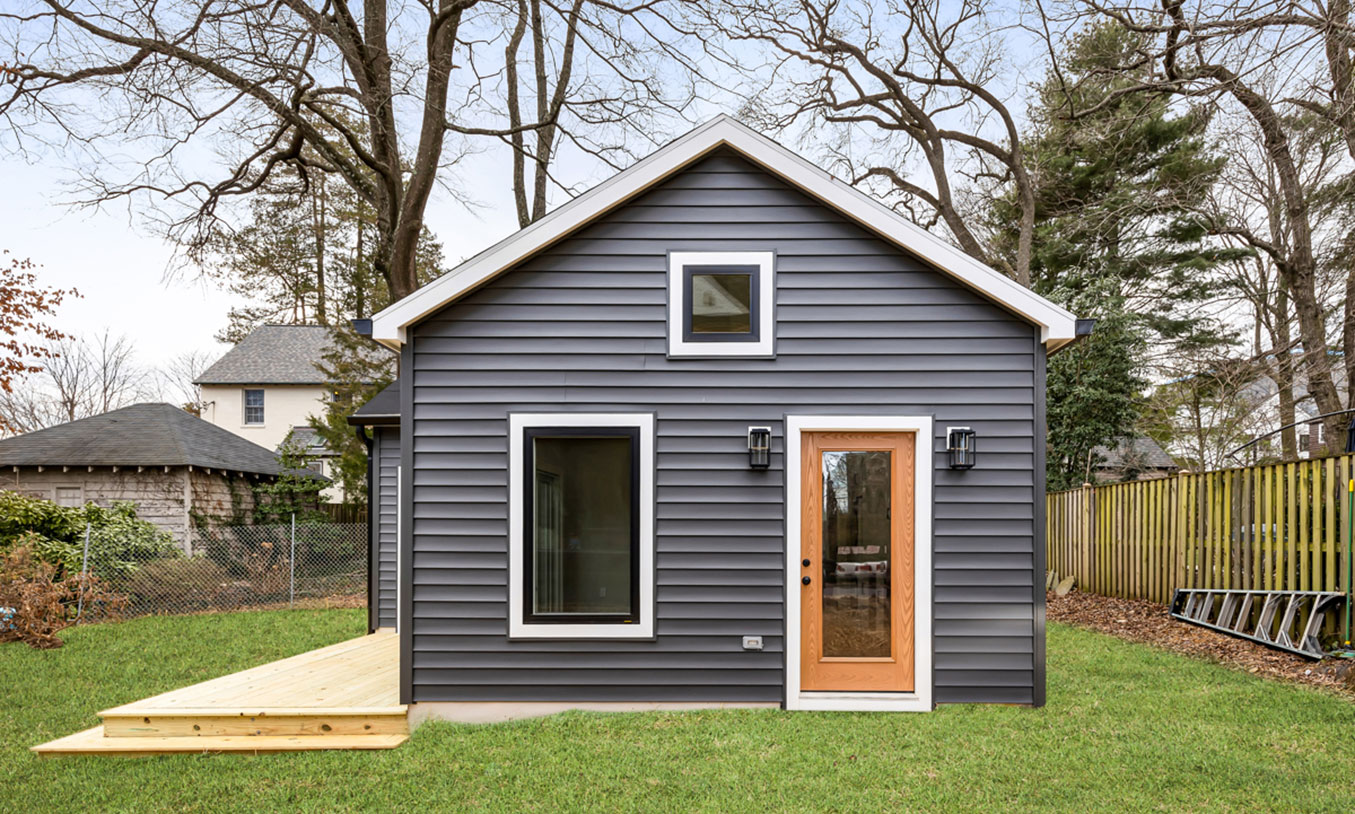
Detached ADUs are standalone structures built separately from the primary house on the lot. This allows greater design flexibility and a more independent living space for family, guests, and/or tenants. Detached ADUs require full ground-up construction, which allows detached ADUs more design flexibility compared to attached or interior ADUs. Building a new detached ADU can be more expensive than a conversion, but their added real estate value compared to other ADU types helps offset costs. Detached ADUs function completely independently, with separate kitchens, bathrooms, and living areas, as well as electric, water, and sewer/septic hookups.
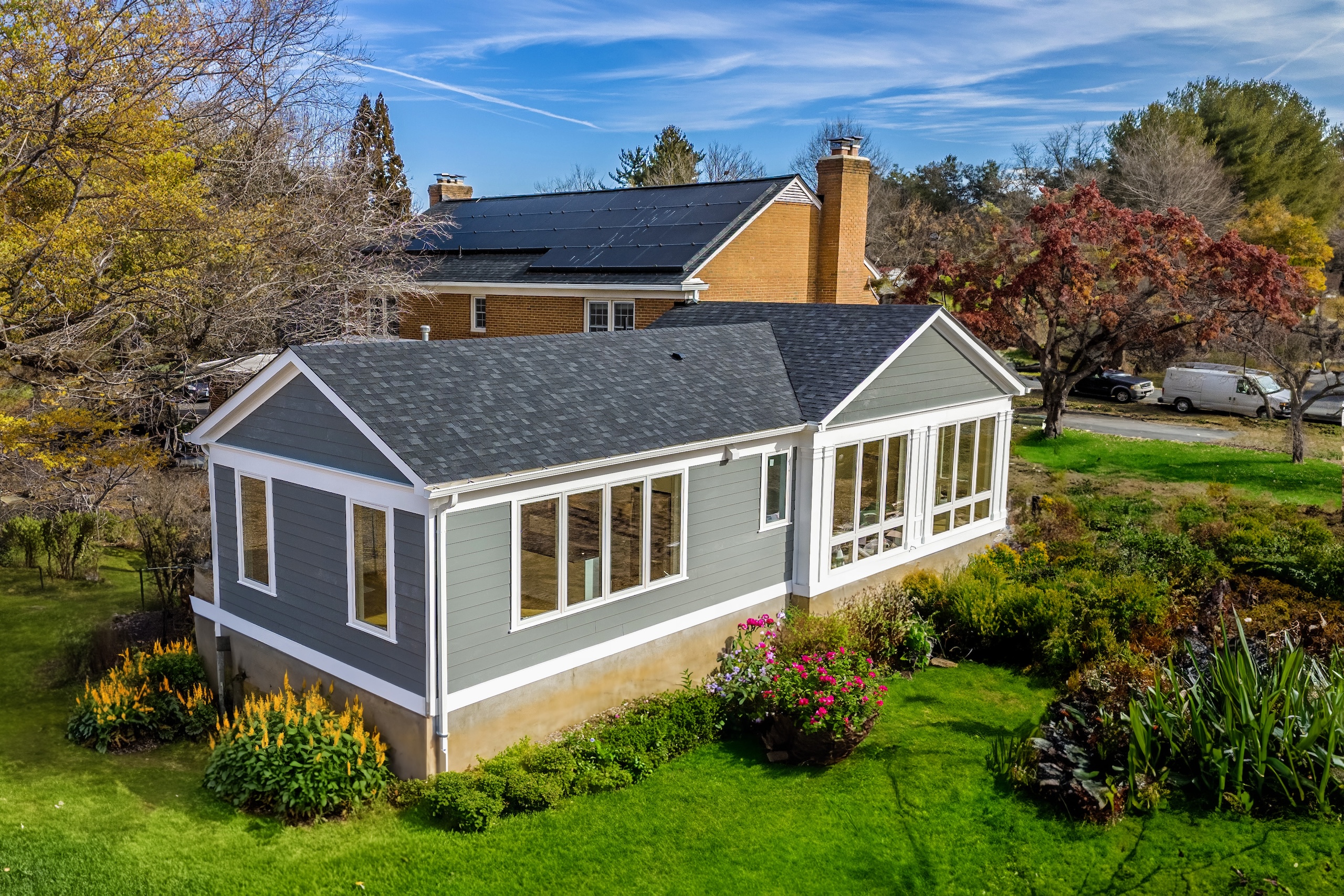
Attached ADUs directly adjoin the primary house, often with a separate entrance. This allows for more access between the units. Attached ADUs must share at least one wall and roofing with the main building, which limits the opportunity for detached placement anywhere on a property. However, multiple attachment points are often possible. The proximity of attached ADUs makes them well-suited for uses like elderly relatives/in-law suites or guest suites. Attached ADUs can leverage existing kitchen and laundry amenities in the main home, or full living suites can be built including separate kitchens, baths, and living areas.
All ADU construction should be built by trusted professionals like Makara ADU to ensure the safety and comfort of the new space.
The Cost and Financing of ADUs
The average construction cost for an accessory dwelling unit (ADU) can vary greatly based on size, amenities, location, and type of unit. Conversion ADUs typically range from $50k to $150k, with most about $100 per square foot, detached ADUs often range from $150k to $300k, averaging around $200 per square foot, and attached ADUs average $100 to $250 per square foot, with most totaling $100k to $200k. The costs for site development and soft costs such as design/civil and permits are additional. Several factors influence overall ADU construction costs, such as size, amenities, location, site conditions/topography, foundation, and framing and finishes.
Exploring financing options and budgeting is important when considering an ADU. Evaluate your financial situation and consider options such as personal savings, loans, or grants that may be available for ADU projects, and utilize resources such as the financing options available from Makara Builder. Setting a realistic budget will help guide your decision-making and ensure that you have the necessary resources to complete the conversion successfully.
ADU Regulations and Zoning
Local zoning departments and municipalities dictate the requirements to legally build or convert an ADU where you live. Common zoning regulations include maximum unit size, setback requirements, design aesthetics, acceptable locations on a lot, and parking requirements. You will need to apply for permits before beginning construction work on an ADU. Experienced builders, such as Makara ADU, provide full-service ADU assistance including all the feasibility, plans, permitting, and construction so the homeowner doesn’t need to.
Local regulations, land use laws, size restrictions, design regulations, and parking requirements can vary widely, so it’s imperative to work with trusted professionals like Makara ADU to ensure that everything meets the requirements.
Adding an ADU can yield benefits like multigenerational living and a home for an aging parent, a source of rental income, increased home value, and flexible living arrangements. Following proper regulations and planning guidelines will ensure your ADU project has maximum positive impact. Thoroughly explore all considerations before embarking on your ADU journey, and contact Makara ADU to begin your ADU project today!