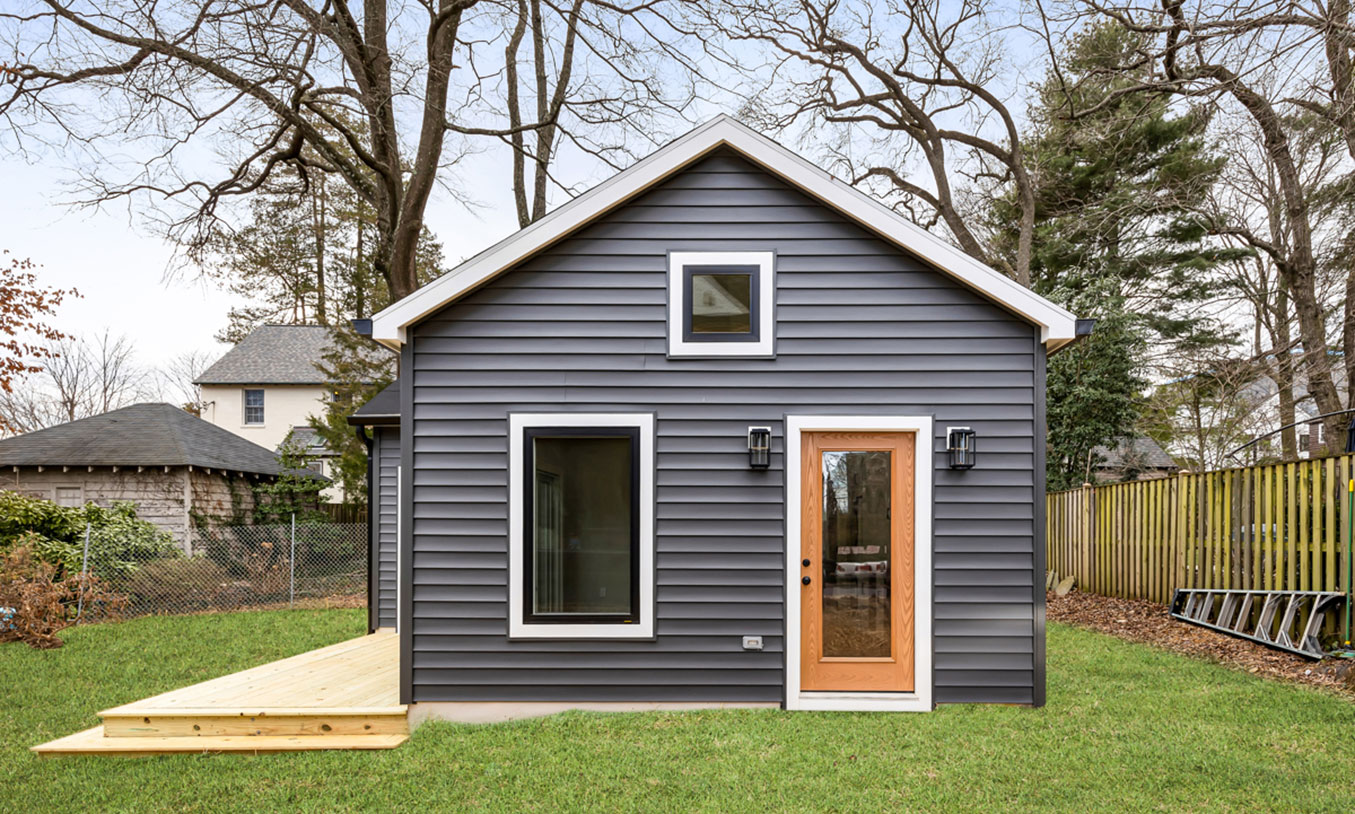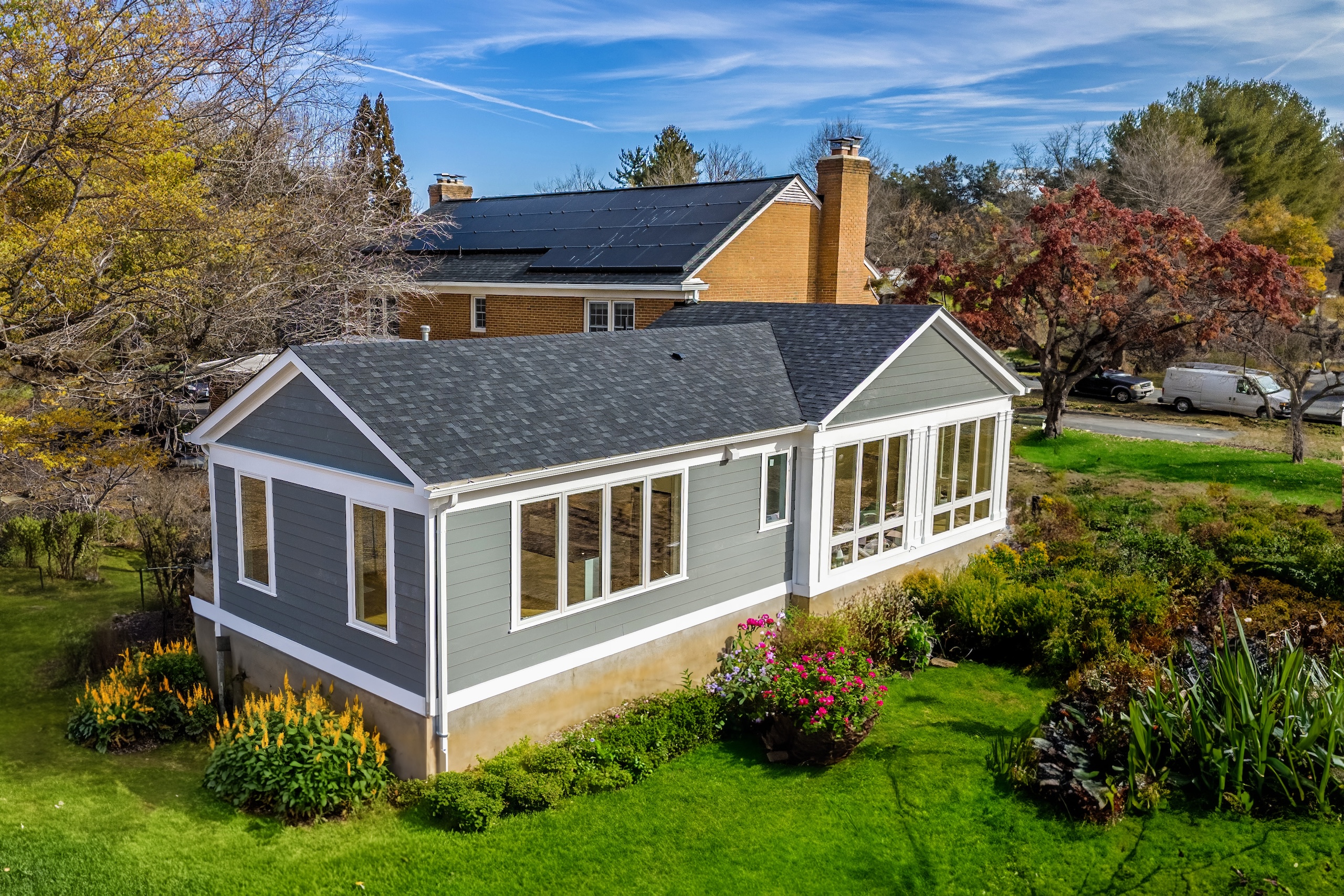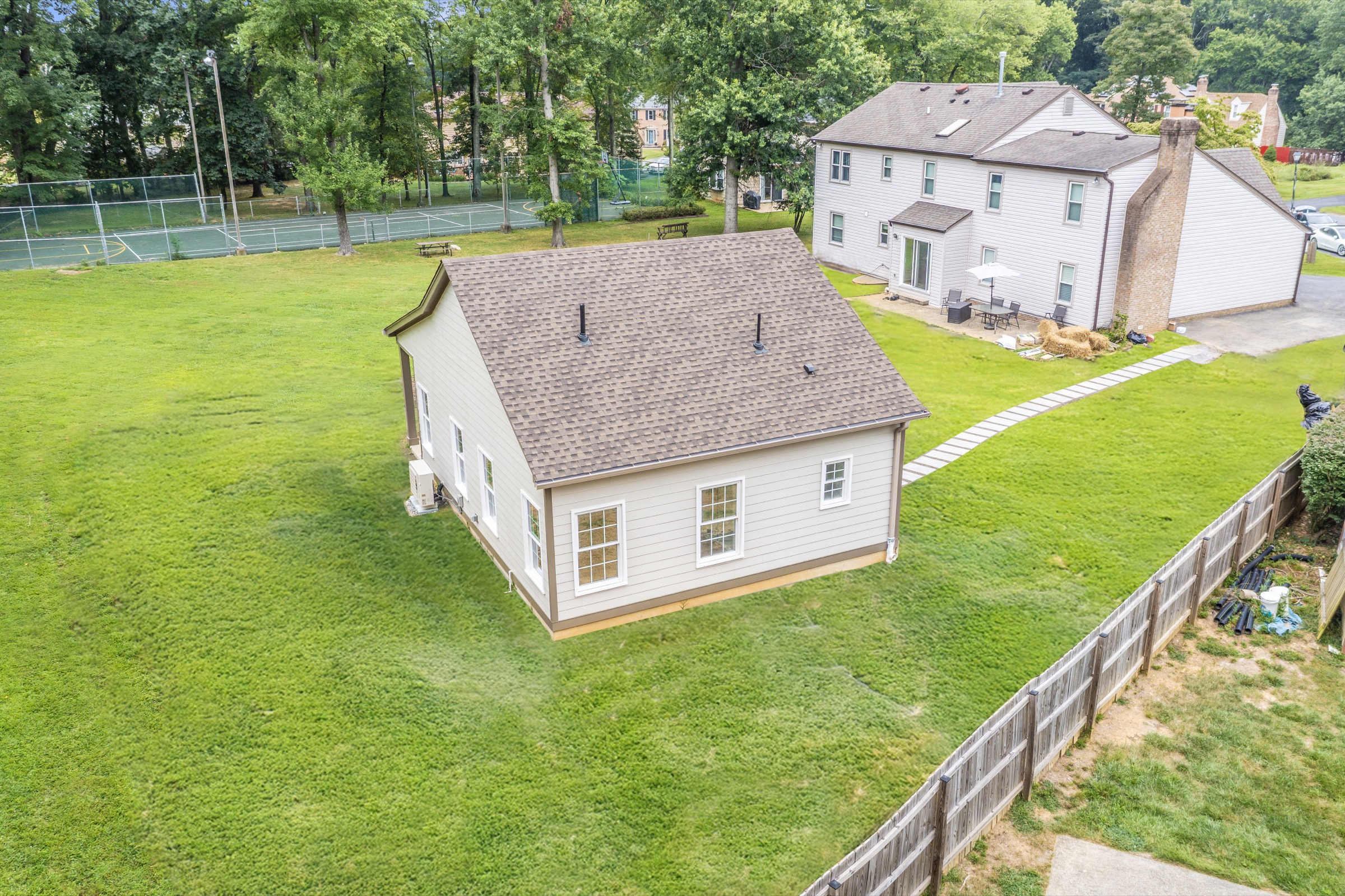
Unlock Savings: Tax Incentives for Building Accessory Dwelling Units in Montgomery County, MD – (Updated for 2026)
Updated Tax Incentives for ADUs in Maryland
As the demand for flexible, affordable housing options grows in Montgomery County, Accessory Dwelling Units (ADUs) are becoming a popular choice for homeowners. Whether you’re adding a detached unit for aging family members, creating rental income, or supporting multigenerational living, ADUs offer practical solutions. At Makara ADU, we specialize in designing and building high-quality, customizable ADUs that meet local regulations and enhance your property’s value. But did you know there are valuable tax incentives available to offset costs, especially if your ADU incorporates accessibility or energy-efficient features? In this post, we’ll break down the key programs: Montgomery County’s Design for Life Property Tax Credit and the Maryland Independent Living Tax Credit. These can make your project more affordable—potentially saving you thousands.
Why Consider Incentives for Your ADU Project?
With Maryland’s Accessory Dwelling Units Act of 2025 now in effect (and full local implementation required by October 1, 2026), building ADUs is easier than ever in Montgomery County. The county already allows ADUs by-right on most single-family lots, with straightforward licensing through the Department of Housing and Community Affairs (DHCA) and permitting via the Department of Permitting Services (DPS).
While there aren’t dedicated grants for general ADU construction in 2026, tax credits reward thoughtful design—focusing on accessibility and energy efficiency. These incentives not only reduce your upfront investment but also promote inclusive, sustainable living. At Makara ADU, we can integrate qualifying features into your build to maximize these benefits.
Montgomery County's Design for Life Property Tax Credit: Promoting Accessibility in ADUs
Montgomery County’s Design for Life program encourages homeowners to add accessibility features, making homes (and ADUs) more “visitable” and “livable” for people with disabilities or mobility needs. This property tax credit applies to new construction, renovations, or conversions of attached or detached single-family dwelling units—including ADUs.
It’s perfect for ADU projects, whether you’re converting a garage, adding an attached unit, or building a detached one. Credits run with the property (meaning they benefit future owners too) and require the home to be your primary residence.
Credit Options and Amounts
- **Accessibility Features (Up to $2,500)**: Get 50% of eligible costs (after other subsidies) for installing at least one of 15 specific features. Examples include no-step entrances, ramps, 32-inch wide doorways, grab bars with reinforced walls, lever handles, chair lifts, or relocated switches/outlets for easier access. Minimum spend: $500 within 12 months.
- **Level I VISITable (Up to $3,000)**: 100% of reasonable costs for basic visitability, requiring four elements: a no-step entrance, an accessible route to a visiting area, a usable bathroom/powder room, and 32-inch interior doors.
- **Level II LIVEable (Up to $10,000)**: 100% of reasonable costs for full livability, building on Level I with additional requirements like wheelchair-accessible paths, kitchens, bedrooms, and bathrooms (e.g., roll-in showers).
Credits are applied up to $2,000 per tax year, with any excess carrying over. To apply, get certification from DPS after completing the work and inspection. Imagine building a Makara ADU with a no-step entry and wider doors—not only does it make your space more inclusive, but it could qualify for up to $10,000 in credits!
Additionally, Montgomery County offers a smaller Energy Efficiency Property Tax Credit (up to $250 annually) for improvements like insulation, efficient windows, or HVAC systems—ideal for eco-friendly ADUs. Applications are first-come, first-served, with a county-wide annual cap.
Maryland Independent Living Tax Credit: Statewide Support for Accessibility Upgrades
Complementing local incentives, the Maryland Independent Living Tax Credit (administered by the Department of Housing and Community Development – DHCD) provides up to $5,000 (50% of eligible costs) for accessibility renovations. This state income tax credit applies to your own home, a family member’s, or even a rental property—including ADU modifications. It’s especially relevant for ADUs designed for aging in place or independent living.
Key Details
– **Qualifying Renovations**: Features like no-step entrances, 32-inch doorways, grab bars/handrails, rocker switches, visual alarms, roll-in showers, lever faucets, accessible storage, and maneuvering space in kitchens/bathrooms (at least 30×48 inches). These overlap significantly with Design for Life, allowing potential stacking.
– **Eligibility**: Maryland residents who file state taxes, with renovations completed in the prior tax year. Provide receipts, invoices, and photos.
– **Application**: Submit to DHCD by June 1 of the current year; approvals by August 31. File an amended tax return with certification.
– **Limitations**: Annual statewide cap of $1 million; credits may be prorated if oversubscribed.
It's a great fit for Makara ADU projects incorporating universal design.
The best part? These credits can often be combined for even greater savings. For example, add accessibility features to your ADU for both county and state credits, plus energy upgrades for the $250 bonus. While broader DHCD programs like housing rehabilitation loans may also apply, consult a tax professional to confirm eligibility.
At Makara ADU, we’re here to guide you through the process—from design to permitting—ensuring your unit qualifies for these incentives. Ready to build? Contact us today for a free consultation. Let’s turn your vision into a rewarding reality!