ADUs Vs. Senior Housing
There are many options for senior living, but one often overlooked is an ADU. See why ADUs are better (and cheaper) than traditional senior housing.
Today, as more and more of the population ages, seniors and their families are looking for housing options for their aging loved ones. For a variety of reasons, now more than ever, families want to keep their loved ones close and safe. Some options, such as buying a smaller home close to family or moving to a senior living community, are considered. But, the cost of housing continues to rise at unprecedented rates and has made most housing unaffordable for seniors. Additionally, the cost of senior living, such as retirement communities, assisted living, and nursing homes, has become unfathomable for many. The average cost of senior housing is $4,917 per month. Fortunately, there is another unique solution to these problems: more and more people and communities are learning about Accessory Dwelling Units (also known as ADUs). Compared to traditional independent or assisted senior living communities, ADUs present an opportunity for multigenerational family living arrangements that benefit both seniors and their family members.
What is an ADU
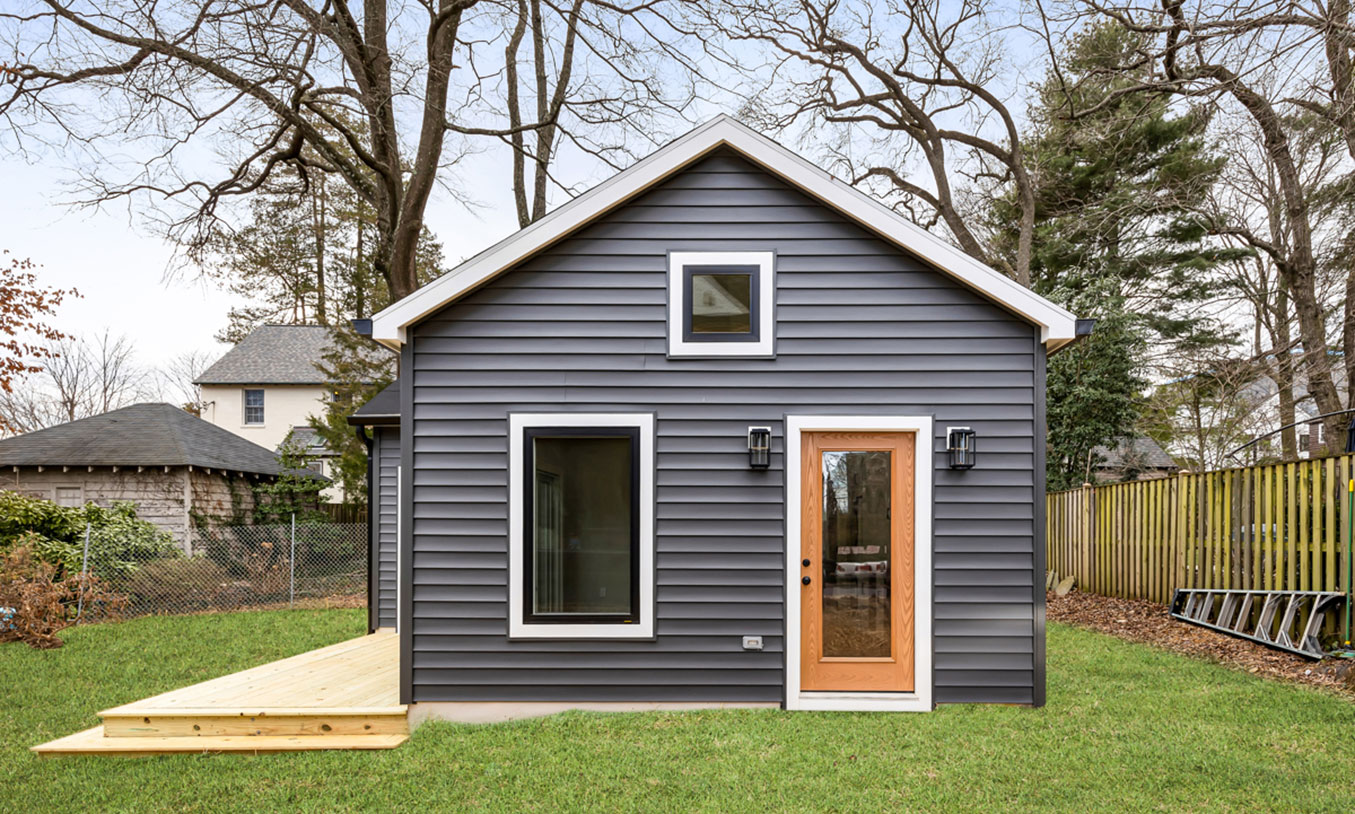
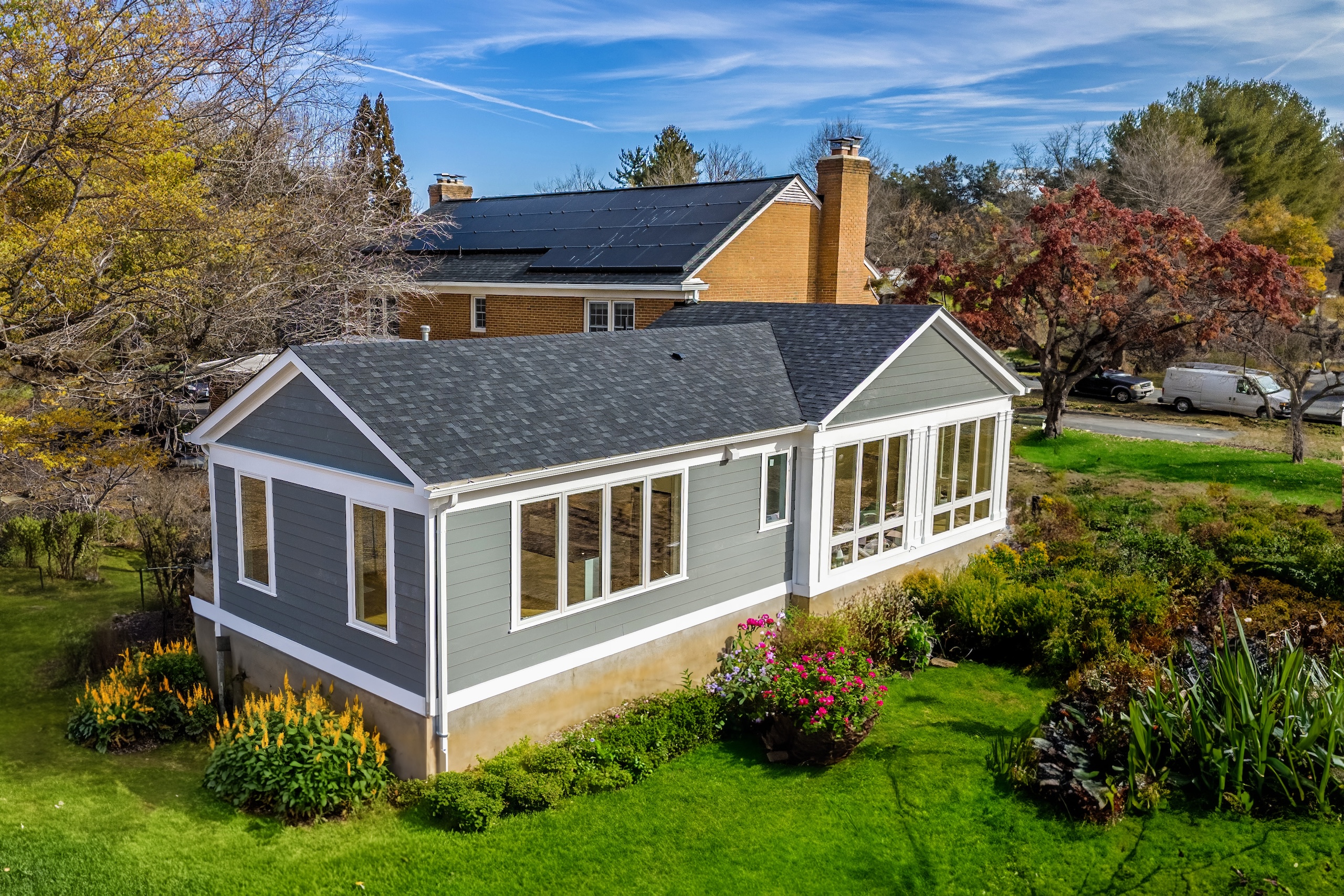
An Accessory Dwelling Unit (ADU), such as a carriage house, backyard cottage, guest house, apartment, in-law suite, or granny flat, is a secondary, independent living space built on the property of an existing single-family home; they are smaller, independent second dwellings on a single-family lot that typically have a kitchen, bathroom, sleeping area or bedroom, and living space. The ADU can be located within, attached, or detached from the main residence on the property. Basements, attics, or garages can also be converted into an ADU. A detached ADU home can be pre-fabricated or can be fully customized and constructed based on your specifications of what you’d like to create. You can learn more about what an ADU is in our blog post here.
What is Senior Living?
Senior living refers to housing and community options designed specifically for older adults, usually aged 55 and over. There are several types of senior living, such as independent living communities (also known as retirement communities), which provide active seniors with individual housing units and activities; assisted living facilities, which provide housing with services like help with daily living activities; and skilled nursing facilities, which are better known as nursing homes. These are also referred to as Senior Housing.
Lower Overall Cost
As housing costs rise across generations, costs for senior living can range from $45,000 to nearly $90,000 per year or more, depending on location, amenities, and services. Numerous ancillary and personalized services require additional private pay, which can add up significantly each month. For example, many senior communities charge an additional fee, often $1,000+ per month, for those needing dementia or Alzheimer’s care.
On the other hand, while ADUs have continued to grow in popularity, the costs for an ADU pale compared to Senior Housing. For instance, even a high-end custom-built ADU can cost as little as $100k to $300k, depending on features, size, and location. It is a one-time upfront investment that not only provides a comfortable, custom place for family members to enjoy their golden years but also adds a valuable asset to the property.
The one-time investment of an ADU can house senior family members and caregivers, or provide a variety of long-term housing benefits for a fraction of the ongoing yearly costs of senior living rent and care services.
Benefits of Aging in Place Near Family
For seniors, living in an ADU on a loved one’s property fosters social support, daily interaction, and feeling valued and needed. Family members can monitor their aging relatives for safety while respecting independence. Proximity to their families enables seniors to play active roles, like caring for grandchildren.
Living in an ADU allows seniors to age in a familiar environment near loved ones, which can reduce feelings of loneliness and isolation that frequently impact seniors. Studies show emotional wellness improves when seniors receive personal attention from family regularly. ADUs foster better communication, companionship, and opportunities for grandparents to pass down knowledge or be involved with grandchildren.
At the same time, privacy and independence are maintained by having a separate living space instead of moving directly into a child’s home. Seniors can retain autonomy, remain independent, and have friends visit, all while family members remain actively involved in providing care assistance, transportation, meal prep, or help to manage bills when needed. Family nearby also enables seniors who want to age in place to do so safely for longer than living alone.
In essence, the proximity, privacy, and support an ADU on a family member’s property provides allows seniors to enjoy their golden years feeling valued and securely connected to loved ones. This has tangible emotional as well as health benefits compared to senior housing alternatives that lack regular family contact.
Benefits of a Home vs. Community Setting
ADUs allow seniors to prioritize privacy without sacrificing family access. Unlike senior communities focused on safety and group social activities, seniors in ADUs can customize and control their living space.
ADUs allow seniors to maintain privacy and independence, unlike communal settings where staff and residents frequently come and go. Seniors living solo in ADUs avoid regimented meals, activities, and medication schedules imposed by senior communities. Instead, they can choose their daily routines. ADUs also foster safer independent mobility within the home setting.
Since ADUs involve adapting portions of existing homes, structures, or land, the living environment can be more easily customized around a senior’s specific mobility, comfort, and aesthetic preferences. Elements like step-in showers, lighting, interior colors, and furniture arrangements are all modified to meet senior occupants’ unique needs and wishes rather than conforming to shared identical amenities. The autonomy and tailored features of ADUs better serve independent-minded seniors compared to institutional senior housing.
Unlike unfamiliar nursing home environments, an ADU in a family member’s backyard provides a comfortable and recognizable setting for seniors. Familiarity helps reduce the disorientation and anxiety that new environments can trigger in seniors coping with age-related issues and can help them have a better quality of life. Family members are also close by to assist with orientation, episodes of confusion, or unsafe wandering risks.
Why Makara ADU?
Makara ADUs are a perfect solution to the question of senior housing. ADUs allow people to age in place by providing an array of options, such as an easy downsize to a separate, more accessible home on the property or to provide living quarters for a caregiver. Building an ADU on your property can provide various benefits that will greatly impact multiple generations. You can provide your loved ones with a wonderful home just steps from your home and the rest of the family. The Makara ADU is a perfect fit. Live Your Backyard.
Can I Put an ADU on My Property?
In a matter of minutes we can determine if you can put a Makara Accessory Dwelling Unit on your property. Are you ready?